Lawn Cleanup After Storms: What to Remove First to Protect Your Turf
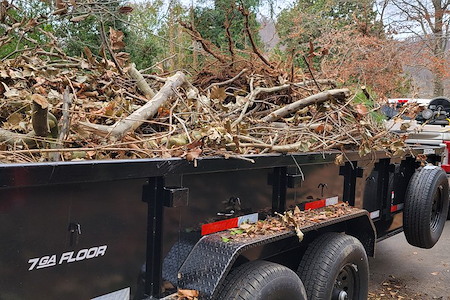
Fast, smart decisions after severe weather can keep your yard healthy and help it bounce back. In West Union, SC, thunderstorms and windy fronts can blanket turf with limb debris, branches, and leaves. That material blocks light, traps moisture, and invites disease. If you want a trained eye on your yard right away, explore our storm lawn cleanup services to see how 4 Seasons Lawn Service LLC restores turf safely and efficiently.
Why Order Matters For Post‑Storm Lawn Health
Not all storm debris harms your lawn the same way or at the same speed. Some items suffocate grass within hours. Others cause longer-term problems like soil compaction or ruts that show up weeks later. Prioritizing what gets attention first preserves the living root system under your feet.
Think of your lawn like a breathing surface. Anything that blocks sunlight and airflow interrupts that “breath.” Meanwhile, heavy objects or equipment can compress wet soil and shear grass crowns. The right order prevents small problems from turning into bare spots that take a season to fix.
What To Remove First After A Storm
Use the priorities below to understand which threats most quickly damage turf. This is not a DIY checklist. It is a clear way to recognize the items pros handle first to protect lawn health in our Upstate South Carolina climate.
- Large branches resting on turf. Their weight flattens grass and can bruise crowns, especially in saturated red clay common around West Union.
- Dense leaf mats and pine straw piles. These layers trap moisture and shade grass, accelerating fungus in humid conditions.
- Shredded twigs and small debris clusters. Tiny pieces seem harmless but can form thatch-like blankets that prevent drying.
- Heavy, waterlogged yard waste. Soggy piles compress soil and leave imprints that become ruts when walked or driven over.
Avoid walking or driving over wet turf with heavy equipment right after a storm. That pressure forces air out of the soil and flattens the structure that roots need to grow.
How Storm Debris Damages Your Lawn
Debris affects lawns in three main ways: suffocation, disease pressure, and soil damage. First, mats of leaves and needles block sunlight and slow evaporation. In warm, sticky air after summer storms on Lake Keowee or along SC-11, that moisture lingers. Second, the shaded, wet surface becomes a friendly place for fungi. Third, weight from branches, piles, or foot traffic on soaked ground compresses the upper soil layer.
Compaction reduces pore space where air and water move. Grass roots then struggle to breathe and branch. Over time, you’ll notice thin spots, weaker color, and weeds taking advantage of the stress. If this sounds familiar, reading up on lawn cleanup after storms can help you understand how a structured response protects turf during our stormy months.
Ruts, Wheel Tracks, And Hidden Soil Compaction
Ruts tell a story about what happened on the lawn while it was saturated. Even a single pass from a cart or mower can leave narrow channels that collect water and stay muddy. Those areas warm slowly, dry slowly, and become thin. What you see at the surface often underestimates the crushed soil below.
Heavier branches can dent the turf too, especially in lower spots of yards near Keowee School Road or neighborhoods east of town where drainage concentrates. Once the imprint sets, roots have to fight their way back through compressed soil. That is why pro crews focus on lifting weight off grass before dealing with lighter scatter.
Never try to “roll” ruts out when the lawn is soft. Pressing down only smears soil sideways and seals in the damage. The better path is to limit pressure while the area firms up, then plan corrective care when conditions are right.
Local insight: our Upstate red clay holds water after heavy rain. Even if the top looks dry, the layer beneath may still be soft. Waiting for the ground to firm up reduces compaction and prevents new ruts while your lawn recovers.
Limb Debris, Leaf Mats, And Turf Suffocation
Limb debris looks dramatic, but leaf mats do the most rapid, silent damage. In humid stretches, a thick layer can smother grass blades and create a warm lid that fungi love. Pine straw clumps are common around West Union and behave the same way. When air and light vanish, grass stops making energy and the crown weakens.
Professional cleanup teams stage debris so weight never sits on one area for long. They separate heavier limbs from light scatter and keep piles off turf while organizing removal. This protects the crowns and keeps moisture moving out of the canopy so disease pressure stays lower during hot afternoons.
Compaction Risk: What Makes It Worse
Compaction is not just about weight. Timing and moisture matter even more. Wet clay is easy to compress and hard to open back up. Repeated passes in the same track concentrate the damage. The outcome is a narrow, hard lane where grass struggles to re-root and water pools after each shower.
- Soaked soils in shady areas hold moisture longer and compact faster.
- Low spots and swales near driveways collect runoff and keep the subsoil soft.
- Heavier tree limbs that settle overnight can press crowns flat before anyone sees them in daylight.
Choose lighter, low-pressure movement across the lawn while it dries. Keeping traffic spread out prevents one weak lane from becoming a season-long bare strip.
After The First Pass: What Can Wait
Once the heaviest threats are addressed, you can breathe easier about the turf. Light scatter that allows air and sun to reach the blades is less urgent. Cosmetic touches like stray twigs on mulch, gutter debris on hardscape, or a few leaves under shrubs do not harm grass quickly. In short, the priority is to keep the lawn’s “lungs” clear and the soil uncrushed. Details at the edges can follow when conditions are safer for the yard.
If you prefer a crew to sort the urgent from the optional in one visit, the team at 4 Seasons Lawn Service LLC outlines a clear plan and protects turf structure. You can see what is included in our lawn cleanup service for West Union, SC and schedule a time that fits your week.
Safety First Around Storm Damage
Storms sometimes drop hazards that are bigger than lawn health. Downed wires, unstable limbs, and damaged fences require caution. Stay well away from any line that could be energized and have a professional clear the area before work continues. Crews trained for storm cleanup know how to secure a site before they think about turf recovery.
Even without obvious hazards, hidden tension in hung-up branches can release suddenly. If you hear cracking or see movement when the wind picks up again, it is a signal to step back and have an expert assess the load.
When To Call A Lawn Care Pro In West Union, SC
Some situations need trained help, proper tools, and a plan that protects both people and plants. Consider bringing in a local lawn care service when you notice any of the following:
- Limbs wider than your forearm resting on turf or leaning into trees.
- Ruts deeper than the thickness of a lawnmower wheel tread.
- Wide leaf mats that feel spongy and smell sour, a sign of poor airflow.
- Soft ground that squishes underfoot in several areas of the yard.
- Tilted trees, cracked trunks, or branches under tension.
In these cases, pros can lift weight off the lawn without adding new compaction, sort and stage debris so it never smothers grass again, and set the yard up for recovery in the days that follow. For many homeowners near downtown West Union or along Old Clemson Highway, this is the quickest path back to a safe, healthy yard.
How Pros Prioritize Without Harming Turf
The best crews apply a simple principle: address the greatest turf threats with the least pressure. They work from hard surfaces when possible, keep piles off grass, and avoid repeat passes over one spot. They also monitor how the soil rebounds over a few days, since red clay can seem dry on top while staying soft below.
Another advantage is a coordinated plan for disposal. Efficient removal lowers the time debris spends near the lawn. This is especially helpful during long, humid stretches common in June through September when disease risks climb after every afternoon storm.
Moisture, Heat, And Disease Pressure In Upstate SC
Our area’s summer pattern often includes quick downpours followed by bright sun. That cycle heats any shaded, wet layer on the lawn like a greenhouse cover. Short windows of smothering can still be enough to bruise crowns. The faster dense layers are relieved, the less chance you see thinning or patchy color later.
On cooler, breezy days, the lawn dries faster, and the window for damage shrinks. On still, humid days around West Union, the window grows. Understanding this rhythm helps you and your crew decide what rises to the top of the list after a storm.
Neighborhood Examples Of Common Trouble Spots
Yards near Lake Keowee often gather wind-thrown pine branches that settle into coves of lawn along the water side. In-town lots with mature oaks may collect heavy limbs in shade gardens where grass is already working hard. Split driveways and tight side yards can funnel foot traffic into the same track, turning soft clay into a permanent rut. Recognizing these patterns guides where attention falls first so turf protection stays the priority.
Setting Expectations For Recovery
Even with the right order of operations, turf sometimes needs time to rebound. Flattened blades usually spring back in a few days if crowns are healthy. Areas that were compacted can look thin for a while before thickening. The key is to reduce repeat pressure during that period. When the soil regains structure and the canopy reopens to sun and air, the lawn has what it needs to repair.
If a larger storm rolls through again while the lawn is still soft, focus remains on getting weight off the turf quickly and moving across different paths. A systematic approach prevents one storm from compounding the last one’s effects.
Why Work With A Local Crew
Local experience matters because storm patterns are not the same everywhere. Crews who work in West Union, SC understand how our soils react after back-to-back showers and where wind typically lays branches. They also know the difference between harmless scatter and debris that can crush crowns or breed fungus in two warm days. That judgment keeps the first moves focused where your lawn benefits most.
4 Seasons Lawn Service LLC pairs that local insight with a clean, careful workflow. The result is a yard that looks safer right away and a lawn that stays healthier in the weeks ahead.
Get Professional Help Without Adding Damage
For fast storm lawn cleanup in West Union, SC, protect your turf by acting quickly and choosing trained help. Prefer to speak with a person now? Call 864-888-7949 and a friendly scheduler will help you find a convenient time.
Want to see how a focused plan puts lawn health first from the opening move? Explore our approach to professional lawn cleanup and count on 4 Seasons Lawn Service LLC to treat your turf like a living system, not a trash pile. By keeping weight off grass, preventing new ruts, and reducing compaction, your yard in West Union is set up to recover stronger after the storm.
Revitalize Your Lawn With 4 Seasons Lawn Service LLC