Understanding Lawn Treatment Programs: Costs, Inclusions, and Long-Term Results
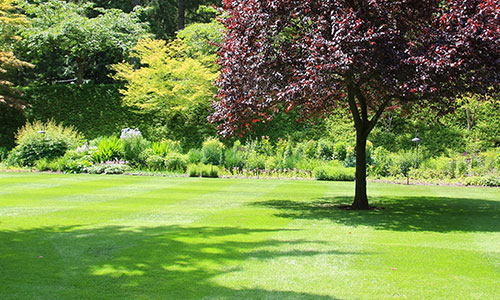
If you’re comparing lawn treatment programs in Seneca, you want a plan that fits our Upstate climate and your yard’s goals. Here’s how a year-round approach works, what’s typically included, and how steady care turns into lasting results. For a deeper look at the service itself, explore our lawn treatment programs and see how a tailored schedule keeps weeds down and turf thriving.
What a Multi-Step Lawn Treatment Program Includes
A strong program isn’t a single visit. It’s a planned sequence across the seasons that targets weeds before they sprout, feeds the turf at the right times, and supports soil health so roots grow deep.
- Pre-emergent and targeted post-emergent weed control timed to local soil temps
- Seasonally balanced fertilization that adjusts nutrients as growth changes
- Soil health support, including pH monitoring and corrective applications when needed
- Insect and disease surveillance with treatments if pressure appears
- Nutrient boosters for color and density during peak growing periods
Programs are organized on a year-round schedule, so each visit builds on the last. That predictable rhythm is what reduces weed seed banks over time and strengthens turf from the roots up.
How Seneca, SC Weather Shapes Your Year-Round Schedule
Seneca’s humid summers and mild winters guide the timing. Late winter brings pre-emergent to block spring annuals. Spring and early summer feed growth and color. Hot months focus on stress tolerance. Fall rebalances nutrients and prepares turf for dormancy. The exact calendar can vary a bit near Lake Keowee compared to shaded streets around downtown because microclimates shift soil temperatures and moisture.
Bermuda and zoysia lawns in neighborhoods like Keowee Key may push color early as lake breezes warm surfaces, while tall fescue in shadier lots often needs steady nutrition and careful monitoring for disease during warm, humid stretches. The right program accounts for those differences without missing critical windows.
Local insight: In the Upstate, missing late-winter pre-emergent can set you back an entire season with crabgrass and goosegrass. If a visit is delayed by weather, confirm it’s rescheduled promptly so the barrier goes down before soil temperatures rise.
What Influences Cost Without Listing Prices
Every property is a little different, so costs vary based on the yard and the outcomes you want. Instead of guessing, consider the drivers as an estimator review:
- Lawn size and layout, including slopes and obstacles that affect visit time
- Turf type and density, since warm-season and cool-season grasses have different needs
- Soil condition and pH history, which can add corrective steps
- Weed and insect pressure from surrounding lots or wooded edges
- Optional add-ons like preventive grub control or soil amendments
Be cautious with one-size-fits-all quotes that ignore soil or turf type. A plan that looks cheap on paper can cost you time if it skips the steps your yard actually needs to improve.
The Soil Health Focus Behind Lasting Results
Great lawns aren’t built by fertilizer alone. Soil structure, organic matter, and pH all influence how well your turf absorbs nutrients and resists stress. Many Upstate soils trend acidic, which can lock up nutrients even when you fertilize. Balanced pH opens the door for roots to use what’s applied and to store energy in the crown for heat and traffic.
Programs that test and address soil give you steadier color and fewer surprises. When the ground is right, weed pressure usually declines because thick turf outcompetes new seedlings. It’s smarter to improve the soil than to chase symptoms, visit after visit.
Results Timeline: What to Expect Over the First Year
Results are real, but they’re not magic. Weeds that sprouted before your first visit often need targeted follow-ups, and turf density builds gradually as roots strengthen.
In the first 30 to 60 days, you’ll usually see a visible decline in broadleaf weeds and a cleaner, more even look. As the season continues, color stays steadier between visits because nutrients are timed to growth. By the end of a full cycle, the lawn typically holds its thickness longer into summer and bounces back faster after stress. Patience pays off when each treatment is working toward the next.
Why Program Structure Beats One-Off Treatments
One-off visits can knock out a problem today, but they rarely stop the next wave of weeds or stress. Multi-step programs stack pre-emergents, nutrition, and soil support so trouble has fewer chances to break through. That structure also gives you predictable windows for spot treatments if weather spikes bring surprise outbreaks.
Consistency matters in Seneca because warm, rainy stretches can trigger fast weed flushes. A scheduled plan closes those gaps and keeps your lawn on track even when the weather doesn’t cooperate.
How to Choose a Lawn Care Partner in Seneca
Look for a team that explains the why behind each visit and offers clear notes after service. They should be comfortable adjusting for shaded lots near Ram Cat Alley, lakefront properties with wind exposure, and newer subdivisions with soils that may still be settling.
Ask how they handle weather delays and whether soil data informs the plan. Strong communication, local timing experience, and accountable follow-ups matter more than the number of visits on a sheet. If you want a full-service approach, choose a provider known for reliable lawn care services across Oconee County.
What “Inclusions” Really Mean in a Lawn Treatment Program
When you compare plans, focus on what’s actually included. Are pre-emergents split for spring and fall germination periods? Does fertilization shift with growth phases? Will technicians return for weed breakthroughs between scheduled visits?
Clear inclusions reduce surprises and help you compare apples to apples. If the program mentions soil pH, ask when it’s checked and how often it’s corrected. If disease pressure jumps during a muggy week, make sure the plan has a process for quick response rather than waiting until the next round.
Long-Term Results: The Payoff for a Year-Round Schedule
Long-term results show up as fewer weeds season to season, deeper roots that ride out hot spells, and turf that fills small bare spots on its own. A lawn like that doesn’t happen by accident. It’s the outcome of timing, soil stewardship, and repetition.
In neighborhoods around Cross Creek Plantation and other tree-lined streets, that steadiness keeps your yard ready for weekend play and keeps curb appeal strong. Over time, the lawn becomes easier to maintain because it’s already healthy when stress arrives.
Putting It All Together for Your Property
A thoughtful program treats your lawn as a system. Weed control protects new growth. Balanced feeding supports color without pushing weak top growth. Soil care unlocks nutrients and lets roots get to work. The plan is built to fit Seneca’s seasons and your property’s unique conditions.
If you’re ready to see how a tailored sequence can work on your yard, review the details of our lawn treatment programs and compare them to your current results. You’ll know exactly what each visit does and why the timing matters.
Talk with 4 Seasons Lawn Service LLC about a customized lawn treatment plan for your Seneca property today. Call us at 864-888-7949 to schedule your first step and map out a year-round schedule that builds lasting results.
Revitalize Your Lawn With 4 Seasons Lawn Service LLC